Hashimoto's Hair Loss: The Endocrine Work-Up That Belongs Before PRP
Diffuse thinning, a widening part, sometimes the outer third of the eyebrows. In autoimmune thyroid disease the scalp is often where the problem becomes visible first. Here is the work-up that belongs before any injection, and where PRP fits.

Patients describe a widening part, diffuse thinning across the crown, sometimes the loss of the outer third of the eyebrows. Those are cosmetic changes, and they are also endocrine signals. In autoimmune thyroid disease the scalp is frequently where the problem becomes visible first.
Hair loss is an endocrine signal before it is a cosmetic problem
T3, the active thyroid hormone, helps drive hair follicles through anagen, the growth phase of the hair cycle. When T3 levels run suboptimal, or its action at the follicle is impaired, follicles enter telogen, the shedding phase, earlier than they should. More follicles shedding at once and fewer growing produces exactly the diffuse pattern patients describe.
In Hashimoto's thyroiditis this can be the presenting complaint. A patient comes in for her hair and leaves with an explanation that has nothing to do with her scalp.
PRP and minoxidil support the follicle directly. Neither one addresses the systemic problem that made the follicle struggle in the first place. That is the reason every hair plan at Palm Beach Cosmetic Medicine is designed and reviewed by Dr. Anna Frisch, MD, PhD, a board-certified endocrinologist, before treatment begins.
The lab panel behind thyroid hair loss, and where it gets drawn
Before recommending a topical treatment or an in-office procedure for hair loss, Dr. Frisch works through a comprehensive laboratory evaluation of endocrine and nutritional status. The markers that matter most for hair are TSH, free T3, free T4 and reverse T3, which together assess thyroid function and whether T4 is converting into active T3 properly; TPO and TG antibodies, which confirm whether an autoimmune condition such as Hashimoto's is present; ferritin; vitamin D, with a target range of 50 to 80 ng per mL; and zinc, selenium, biotin and vitamin B12, the cofactors that healthy hair growth depends on.
A normal TSH by itself does not answer the conversion question, which is why patients who have been told their thyroid is fine sometimes still have a thyroid explanation for their hair.
A word on where this happens. Lab testing is not part of every visit, so a hair consultation does not automatically come with blood work. When Dr. Frisch determines the panel is warranted, Palm Beach Cosmetic Medicine can draw in-house, and she interprets the results herself as a board-certified endocrinologist. If you already have recent labs from your own physician or from her endocrinology practice, bring them and your plan can be built from those.
A ferritin inside the normal range can still be too low for hair
This is the most common miss we see in patients who have already tried topical treatments without result. Standard laboratory ranges may report a ferritin of 25 ng per mL as normal. For hair regrowth, Dr. Frisch looks for ferritin consistently above 70 ng per mL, and levels below that can meaningfully hinder regeneration.
A ferritin that is technically in range and clinically too low will hold hair regrowth back regardless of what is applied to the scalp. It is a number worth knowing before you spend a treatment series working against it.
Iron repletion is recommended only when ferritin measures below 70 ng per mL, and always under physician supervision, because iron overload carries real risk. This is not something to start on your own reading of a lab report.
The right cofactors genuinely help hair, at clinical doses
Hair is one of the first tissues the body deprioritizes when a cofactor runs short, which is also why repletion tends to show up visibly. The limitation of most retail hair products is that they are built around a single marketing ingredient at a dose chosen for the label rather than for the follicle.
Dr. Frisch formulates physician-grade clinical nutraceuticals through VitellaMD to supply the cofactors this protocol depends on. Foundation+ provides a methylated B-complex with zinc, selenium and vitamin D, the cofactors most directly relevant to follicle health, in methylated forms because a meaningful share of patients convert standard B vitamins poorly. Active T3 contains tyrosine, iodine and selenium to support healthy thyroid hormone conversion, the same conversion step that keeps follicles in their growth phase.
Two of those are reasonable to begin without waiting on a full work-up. Iron is the one that requires a number first.
These statements have not been evaluated by the Food and Drug Administration. These products are not intended to diagnose, treat, cure or prevent any disease. Clinical nutraceuticals support a physician-directed plan and do not replace prescribed thyroid therapy.
Where PRP fits: fourth in the sequence, and where PBCM comes in
The protocol runs in a deliberate order. Thyroid optimization is foundational, addressing antibody activity, T4 to T3 conversion and appropriate replacement dosing. Cofactor repletion follows, rebalancing iron, zinc, selenium, B-complex and vitamin D toward target with retesting rather than assumption. Adrenal balancing belongs inside the plan, since chronic stress and elevated cortisol drive shedding independently of the thyroid. Those three are medical care, directed by Dr. Frisch as an endocrinologist.
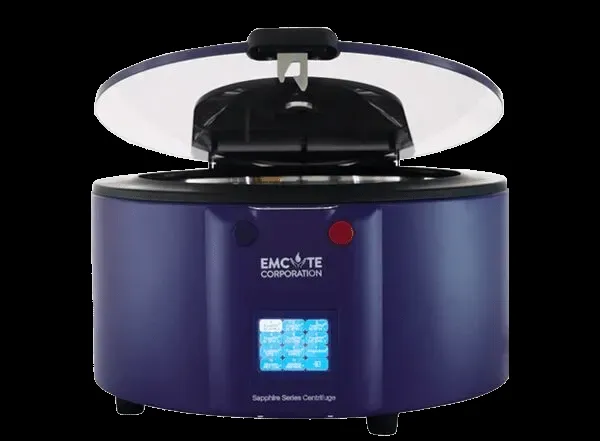
In-office aesthetic treatment is the fourth move, and it is the half that happens at Palm Beach Cosmetic Medicine in Wellington. PRP hair restoration concentrates the platelets from a small draw of your own blood and delivers them into the scalp at the level of the follicle, where the growth factors they carry support follicle health and the anagen phase.
The clinical logic is straightforward. A follicle short on T3 and starved of iron has limited capacity to act on a growth signal. Correct the deficit and the same treatment does more work.
Every PRP hair plan is designed by Dr. Frisch before treatment begins, and she performs every scalp PRP injection herself. Sessions typically run under an hour with topical numbing and little to no downtime, and plans are built as a series rather than a single visit. You do not need a completed endocrine work-up to book a consultation. What the consultation gives you is a clinician who will say honestly whether PRP is the right first move for your pattern of thinning, or whether the panel above should come first.
New growth typically shows at 90 to 120 days
When the underlying endocrine and nutritional factors are effectively addressed, patients generally begin to see new hair growth within 90 to 120 days. That timeline reflects the hair cycle itself, since follicles pushed into telogen need to complete that phase before new anagen growth becomes visible. Patience is part of the protocol.
When internal correction is combined with in-office treatment, results tend to be more robust, longer lasting, and may require fewer future sessions. Individual results vary, and your timeline depends on the degree of thinning, how long it has been present, and how far your results sit from target at the start.
Bring what you have to your consultation: any thyroid or nutrient labs drawn in the last six to twelve months, a list of current medications and thyroid dosing, and roughly when the shedding started. If the panel has never been run and Dr. Frisch determines it is warranted, it can be drawn in-house before your plan is finalized.
Consultations at Palm Beach Cosmetic Medicine are complimentary. Cosmetic and aesthetic services are elective and self-pay. PRP is not FDA-approved as a treatment for hair loss; the devices used to prepare it are FDA-cleared as medical devices, which is a different thing. Individual results vary, and PRP is not appropriate for every type of hair loss.
Frequently Asked Questions
- Can Hashimoto's thyroiditis cause hair loss?
- Yes. T3, the active thyroid hormone, helps drive hair follicles through the anagen or growth phase. When T3 levels are suboptimal or its action is impaired, follicles can enter telogen, the shedding phase, earlier than they should. The pattern is usually diffuse thinning, a widening part, and sometimes loss of the outer third of the eyebrows.
- What ferritin level do I need for hair regrowth?
- Standard laboratory ranges often report a ferritin of 25 ng per mL as normal. For hair regrowth, Dr. Frisch looks for ferritin consistently above 70 ng per mL, and levels below that can meaningfully hinder regeneration. A ferritin that is technically in range and clinically too low is one of the most common blind spots behind persistent shedding.
- Can Palm Beach Cosmetic Medicine draw my lab work?
- Yes, when it is indicated. Lab testing is not part of every visit, so a hair consultation does not automatically come with blood work. When Dr. Frisch determines the panel is warranted, PBCM can draw in-house and she interprets the results herself as a board-certified endocrinologist. If you already have recent labs from your own physician or from her endocrinology practice, bring them and your plan can be built from those.
- Should I do PRP before or after my thyroid is optimized?
- Sequence matters. PRP supports the follicle directly and does not correct the systemic problem causing the follicle to struggle. The approach is to address thyroid function and replete the nutrient cofactors first, then layer in-office treatment on top of a scalp that can respond to it. You do not need a completed work-up to book a consultation and find out where you stand.
- How long does it take to see new hair growth?
- When the underlying endocrine and nutritional factors are addressed, patients generally begin to see new growth within 90 to 120 days, which reflects the hair cycle itself. Adding in-office treatment such as PRP tends to make results more robust and longer lasting, and may reduce the number of future sessions needed. Individual results vary.
Medical disclaimer: This article is for educational purposes only and is not a substitute for a personal medical consultation. Individual results vary. A consultation is required to determine candidacy for any treatment.
VitellaMD disclaimer: VitellaMD products are dietary supplements. They are not intended to diagnose, treat, cure, or prevent any disease. These statements have not been evaluated by the FDA.
Dr. Anna Frisch, MD, PhD
Board-Certified Endocrinologist | Emory University School of Medicine-trained physician-scientist | Medical Director, Palm Beach Cosmetic Medicine | Founder, VitellaMD, Palm Beach Thyroid & Endocrinology Wellness, and Frisch Integrative Medicine
Dr. Anna Frisch, MD, PhD, is a board-certified endocrinologist, Emory University School of Medicine-trained physician-scientist, Medical Director of Palm Beach Cosmetic Medicine, and founder of VitellaMD, Palm Beach Thyroid & Endocrinology Wellness, and Frisch Integrative Medicine. She is one of the few board-certified endocrinologists in the US leading a cosmetic medicine practice. Her research is cited internationally, and she brings decades of experience in endocrinology, thyroid disorders, hormones, metabolic health, and patient-centered care. At Palm Beach Cosmetic Medicine, Dr. Frisch applies her medical background to aesthetic wellness by looking beyond the surface, connecting skin health, hair health, hormone balance, metabolic wellness, nutrition, collagen support, and advanced cosmetic treatments to help patients look refreshed, confident, and natural.
Not sure where to start?
Get your complimentary Skin IQ: a physician-led AI skin analysis with personalized recommendations in minutes.
Refined, physician-led cosmetic care in Wellington.
Schedule a private consultation to design a treatment plan around your skin, your goals, and the way you want to look and feel.