Restauración Capilar con PRP en Wellington, FL: Lo Que Debe Saber
La restauración capilar con PRP usa sus propias plaquetas para apoyar el entorno del cuero cabelludo. Los resultados varían, no es adecuado para todas las personas y primero se evalúa la causa de la caída.
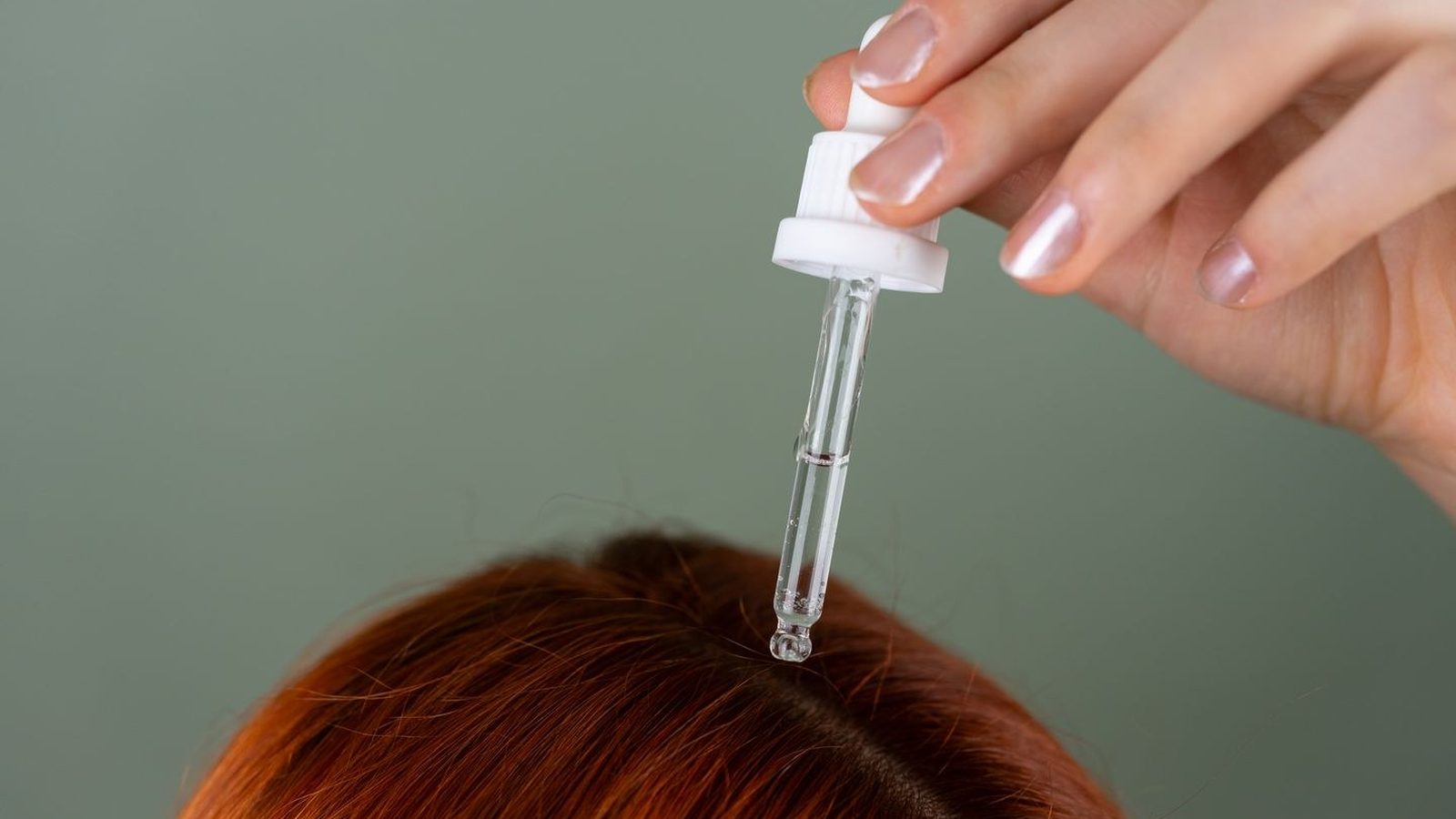
El PRP para la restauración capilar es uno de los temas que más conversamos en nuestro consultorio de Wellington. Muchas personas llegan preocupadas por la caída o por un adelgazamiento visible del cabello y quieren saber qué puede ayudarles. La respuesta honesta empieza con una evaluación médica, no con el procedimiento.
La caída del cabello merece primero una evaluación médica
La caída del cabello rara vez tiene que ver solo con el cabello. Los desequilibrios de tiroides, la deficiencia de hierro, los patrones hormonales, los cambios posparto, el estrés, los medicamentos y los cambios nutricionales pueden influir en la caída y la densidad. Como endocrinóloga, empiezo por el cuadro médico, para que el plan aborde lo que realmente está causando el cambio y no solo el síntoma visible.
El PRP capilar utiliza plasma concentrado de la propia sangre
El PRP, o plasma rico en plaquetas, se prepara a partir de una pequeña muestra de la propia sangre de cada paciente. Luego, el plasma concentrado se aplica en zonas específicas del cuero cabelludo para favorecer el entorno local. Los resultados se construyen de forma gradual a lo largo de una serie de sesiones y no están garantizados.
El PRP no es adecuado para todos los tipos de caída del cabello
El PRP suele considerarse en casos de alopecia androgenética en etapa inicial a moderada, en ciertos patrones de caída o como parte de un plan más amplio de cuidado capilar. No es adecuado para todos los tipos de caída del cabello, y por eso la evaluación es importante. Quienes tienen afecciones activas del cuero cabelludo, ciertas enfermedades o toman ciertos medicamentos pueden necesitar un plan diferente.
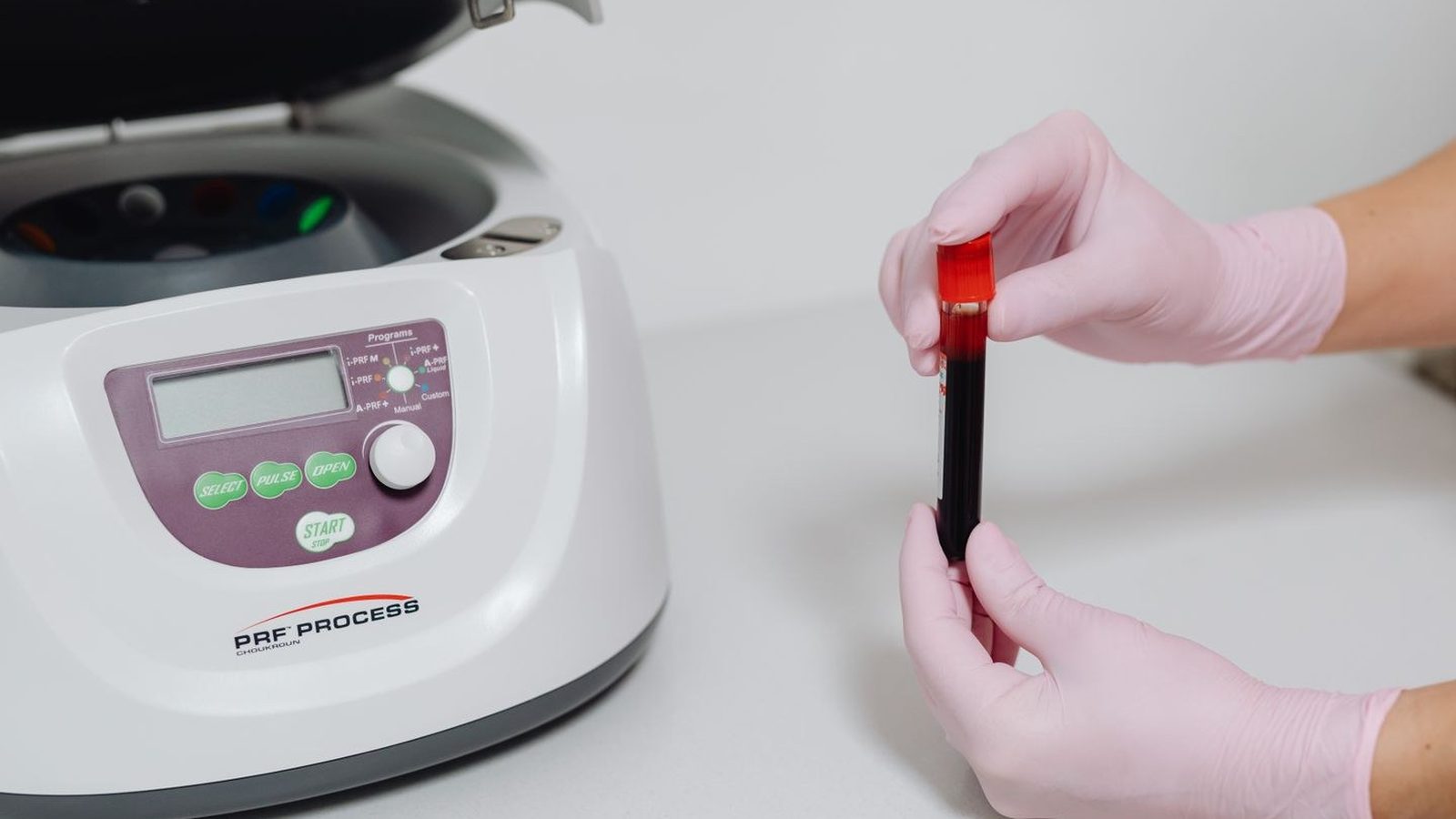
Una sesión de PRP capilar incluye una extracción de sangre, la preparación del plasma y su aplicación en el cuero cabelludo
Una visita de PRP suele incluir una extracción de sangre, la preparación del plasma, la preparación del cuero cabelludo y la aplicación en las zonas de tratamiento. La mayoría de las personas retoma sus actividades normales el mismo día con cuidados posteriores sencillos. Puede aparecer brevemente una leve sensibilidad o hinchazón en el cuero cabelludo.
Expectativas realistas y frecuencia de las sesiones
Lo habitual es planificar una serie inicial de tres a cuatro sesiones espaciadas de cuatro a seis semanas, con cambios visibles en la densidad a partir de unos tres a cuatro meses y una evaluación de resultados a los seis meses, para luego pasar al mantenimiento. Los resultados varían según cada persona y según el cuadro de fondo, y no están garantizados. Los planes más sólidos combinan el PRP con atención médica, rutinas para el cuero cabelludo y, cuando corresponde, apoyo de bienestar interno.
Los nutracéuticos formulados por médicos de VitellaMD pueden considerarse como parte de un apoyo de bienestar más amplio cuando corresponda. Los nutracéuticos no sustituyen la atención médica.
Preguntas Frecuentes
- ¿Cuántas sesiones de PRP capilar son habituales?
- Muchas personas planifican una serie inicial de tres a cuatro sesiones espaciadas de cuatro a seis semanas, seguida de mantenimiento. Su plan depende del cuadro de fondo, de sus objetivos y de cómo responda. En la consulta conversamos con honestidad sobre las expectativas.
- ¿Cuándo notaré cambios después del PRP?
- Los cambios del PRP suelen construirse de forma gradual. Algunas personas notan diferencias tempranas en la caída, con cambios visibles en la densidad a partir de unos tres a cuatro meses y una evaluación de resultados a los seis meses. Los resultados varían y no están garantizados.
- ¿La caída del cabello siempre es genética?
- La caída del cabello tiene muchas causas: patrones genéticos, hormonas, función tiroidea, hierro, medicamentos, estrés, cambios posparto y más. La evaluación médica es parte de la razón por la que un consultorio dirigido por médicos es el lugar adecuado para esta conversación.
- ¿Se puede combinar el PRP con otros tratamientos capilares?
- El PRP suele formar parte de un plan más amplio que puede incluir tratamientos tópicos u orales cuando corresponda, rutinas para el cuero cabelludo y la atención de los factores médicos de fondo. La combinación adecuada se decide en la consulta.
Aviso médico: Este artículo es sólo con fines educativos y no sustituye una consulta médica personal. Los resultados individuales varían. Se requiere una consulta para determinar la candidatura para cualquier tratamiento.
Aviso VitellaMD: Los productos VitellaMD son suplementos dietéticos. No están destinados a diagnosticar, tratar, curar ni prevenir ninguna enfermedad. Estas declaraciones no han sido evaluadas por la FDA.
Dr. Anna Frisch, MD, PhD
Board Certified in Endocrinology | Médica e investigadora formada en Emory University School of Medicine | Directora médica de Palm Beach Cosmetic Medicine | Fundadora de VitellaMD, Palm Beach Thyroid & Endocrinology Wellness y Frisch Integrative Medicine
La Dra. Anna Frisch, MD, PhD, cuenta con la certificación Board Certified in Endocrinology, es médica e investigadora formada en Emory University School of Medicine, directora médica de Palm Beach Cosmetic Medicine y fundadora de VitellaMD, Palm Beach Thyroid & Endocrinology Wellness y Frisch Integrative Medicine. Es una de las pocas endocrinólogas con certificación de especialidad en Estados Unidos que dirigen un consultorio de medicina estética. Su investigación se cita internacionalmente y aporta décadas de experiencia en endocrinología, trastornos tiroideos, hormonas, salud metabólica y atención centrada en el paciente. En Palm Beach Cosmetic Medicine aplica su formación médica al bienestar estético, considerando la salud de la piel y el cabello, el equilibrio hormonal, la salud metabólica, la nutrición, el apoyo al colágeno y los tratamientos estéticos avanzados para ayudar a los pacientes a verse renovados, seguros y naturales.
¿No sabe por dónde empezar?
Obtenga su Skin IQ de cortesía: un análisis de piel con IA dirigido por un médico, con recomendaciones personalizadas en minutos.


Atención estética refinada, dirigida por médicos en Wellington.
Programe una consulta privada para diseñar un plan de tratamiento adaptado a su piel, sus objetivos y a cómo desea verse y sentirse.