Cómo Reconstruir el Colágeno de Forma Natural: Guía de una Endocrinóloga
La mayoría de los consejos para reconstruir el colágeno de forma natural omiten lo que decide el resultado: si su cuerpo está en un estado que permite sintetizar colágeno.

Mis pacientes me preguntan cómo reconstruir el colágeno de forma natural con más frecuencia que por cualquier tratamiento concreto, y la respuesta honesta es más interesante que la lista habitual. La síntesis de colágeno no es un hábito. Es un proceso biológico con requisitos previos, y la mayoría de los consejos que circulan en internet se ocupan de la materia prima sin preguntarse si el cuerpo se encuentra en un estado que permita que ese proceso funcione.
El colágeno disminuye con la edad, el sol, la glicación y los cambios hormonales
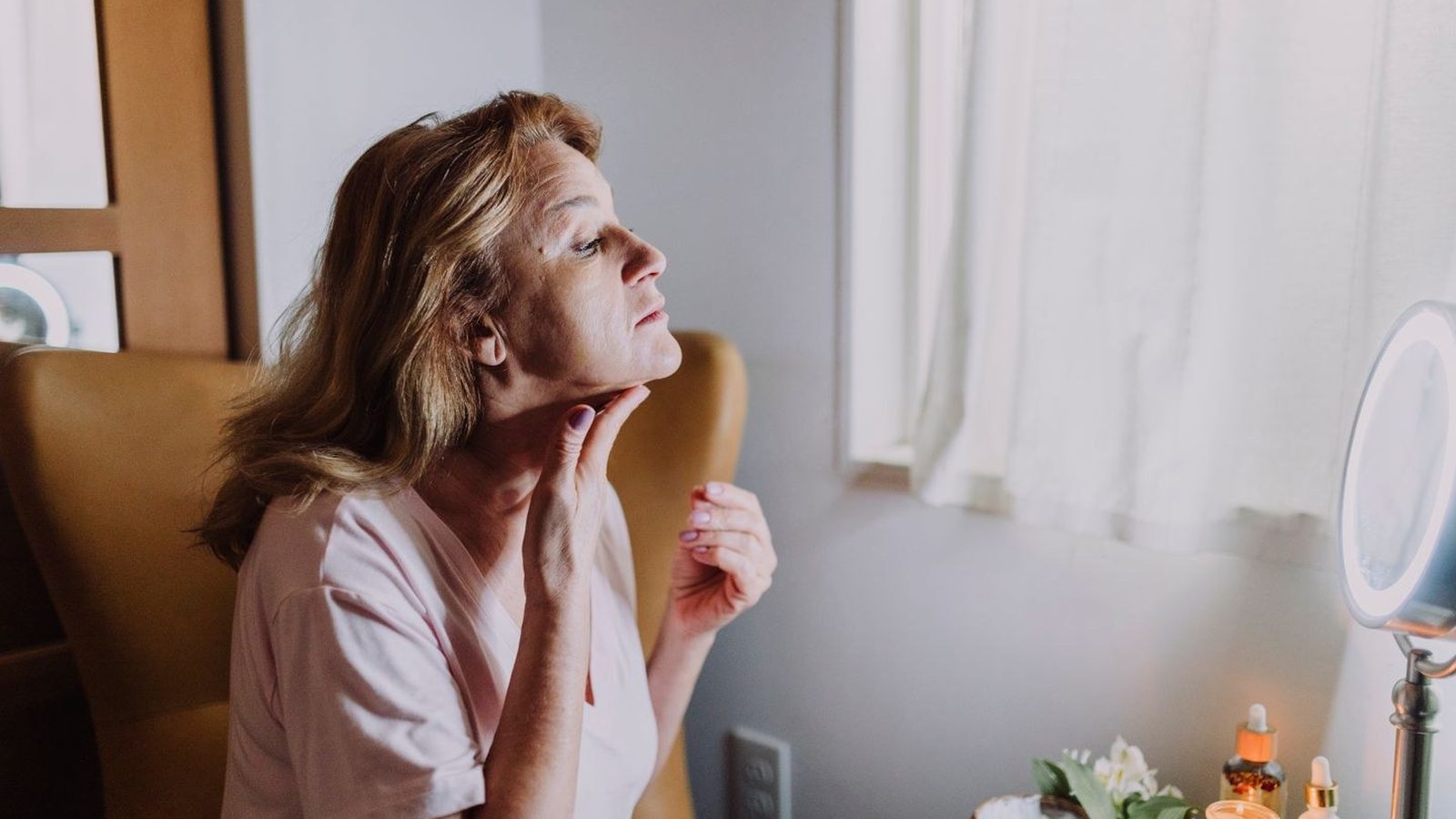
El colágeno es la proteína estructural que da a la piel su firmeza y su resistencia. Los fibroblastos de la dermis lo fabrican de forma continua y, en condiciones normales, la producción y la degradación se mantienen más o menos en equilibrio. En algún momento a mediados de los veinte años, la producción empieza a perder esa carrera y disminuye aproximadamente un uno por ciento al año. La pérdida pasa inadvertida durante una década porque la reserva es grande, y luego se hace evidente de forma bastante repentina cuando cae por debajo de lo que la piel necesita para mantenerse tensa sobre su propia estructura.
Esa pendiente gradual no es el único mecanismo. La radiación ultravioleta fragmenta directamente las fibras de colágeno existentes y activa enzimas que degradan aún más fibras; por eso los antecedentes de exposición solar predicen la edad de la piel mejor que la edad cronológica. La glicación, es decir, el entrecruzamiento del colágeno por los azúcares circulantes, endurece las fibras que quedan, de modo que mantienen peor su forma. Y las transiciones hormonales pueden comprimir una década de deterioro en unos pocos años.
Los requisitos internos para producir colágeno suelen pasarse por alto
Como endocrinóloga, lo primero que reviso es si el cuerpo está en condiciones de construir. Los fibroblastos responden a señales, y varias afecciones frecuentes envían la señal equivocada. El hipotiroidismo insuficientemente tratado ralentiza la reparación de los tejidos en general. La elevación sostenida del cortisol, ya sea por estrés crónico, mal descanso o medicamentos, suprime activamente la síntesis de colágeno. La resistencia a la insulina acelera la glicación y a la vez eleva el tono inflamatorio. La disminución de estrógenos durante la perimenopausia elimina buena parte de la estimulación de los fibroblastos.
Esto tiene consecuencias concretas. Quien mejora su alimentación, toma un suplemento y añade un retinoide, pero tiene un problema de tiroides sin tratar, le está pidiendo a un equipo de obra que trabaje sin electricidad. Obtendrá algún resultado y concluirá que el apoyo al colágeno no funciona en su caso. En mi experiencia, el orden correcto es identificar y tratar primero el factor interno que limita el proceso y después aplicar el trabajo sobre la superficie, que entonces rinde como debe.
La proteína, la vitamina C, el sueño, el ejercicio de fuerza y la protección solar favorecen la síntesis de colágeno
La ingesta de proteína va primero, porque el colágeno es una proteína y los aminoácidos son su materia prima. Muchos de los pacientes que atiendo y que comen bien según los criterios convencionales siguen consumiendo poca proteína, sobre todo las mujeres mayores de cuarenta años y quienes reciben terapia con GLP-1 y han perdido mucho el apetito. La vitamina C tampoco es opcional: es un cofactor necesario para las enzimas que estabilizan la triple hélice del colágeno, y por eso el escorbuto se manifiesta como un fallo del tejido conectivo.
El sueño es el momento en que el cuerpo programa la reparación. La liberación de hormona del crecimiento se concentra en el sueño de ondas lentas, y dormir poco de forma crónica reduce de manera medible la capacidad del tejido para reconstruirse. El entrenamiento de fuerza aumenta la señalización anabólica sistémica y mejora la sensibilidad a la insulina, y ambas cosas ayudan. La protección solar es la intervención de mayor rendimiento que tiene a su alcance cualquier persona que lea esto, porque prevenir la degradación es mucho más fácil que reemplazar lo que ya se ha degradado.
Los péptidos de colágeno por vía oral son el tema sobre el que más me preguntan. La evidencia es más favorable de lo que admiten los escépticos y más modesta de lo que sugiere el marketing. Varios ensayos aleatorizados informan mejoras en la elasticidad y la hidratación de la piel con la suplementación diaria durante ocho a doce semanas. El mecanismo probable no es que el colágeno ingerido se deposite en la piel, porque la digestión no funciona así, sino que los fragmentos de péptidos resultantes actúan como una señal para los fibroblastos. Es un complemento razonable. No sustituye a los requisitos previos que describí antes.
El colágeno tópico no penetra la piel, mientras que los retinoides sí tienen respaldo científico
El colágeno tópico no puede penetrar la epidermis de forma significativa. La molécula es demasiado grande y la barrera cutánea cumple su función. Los productos que lo contienen son hidratantes agradables y nada más. Los dispositivos de ejercicio facial, el gua sha y los masajes mejoran la circulación y el drenaje linfático, lo que produce una reducción real y temporal de la hinchazón que es comprensible confundir con un cambio estructural.
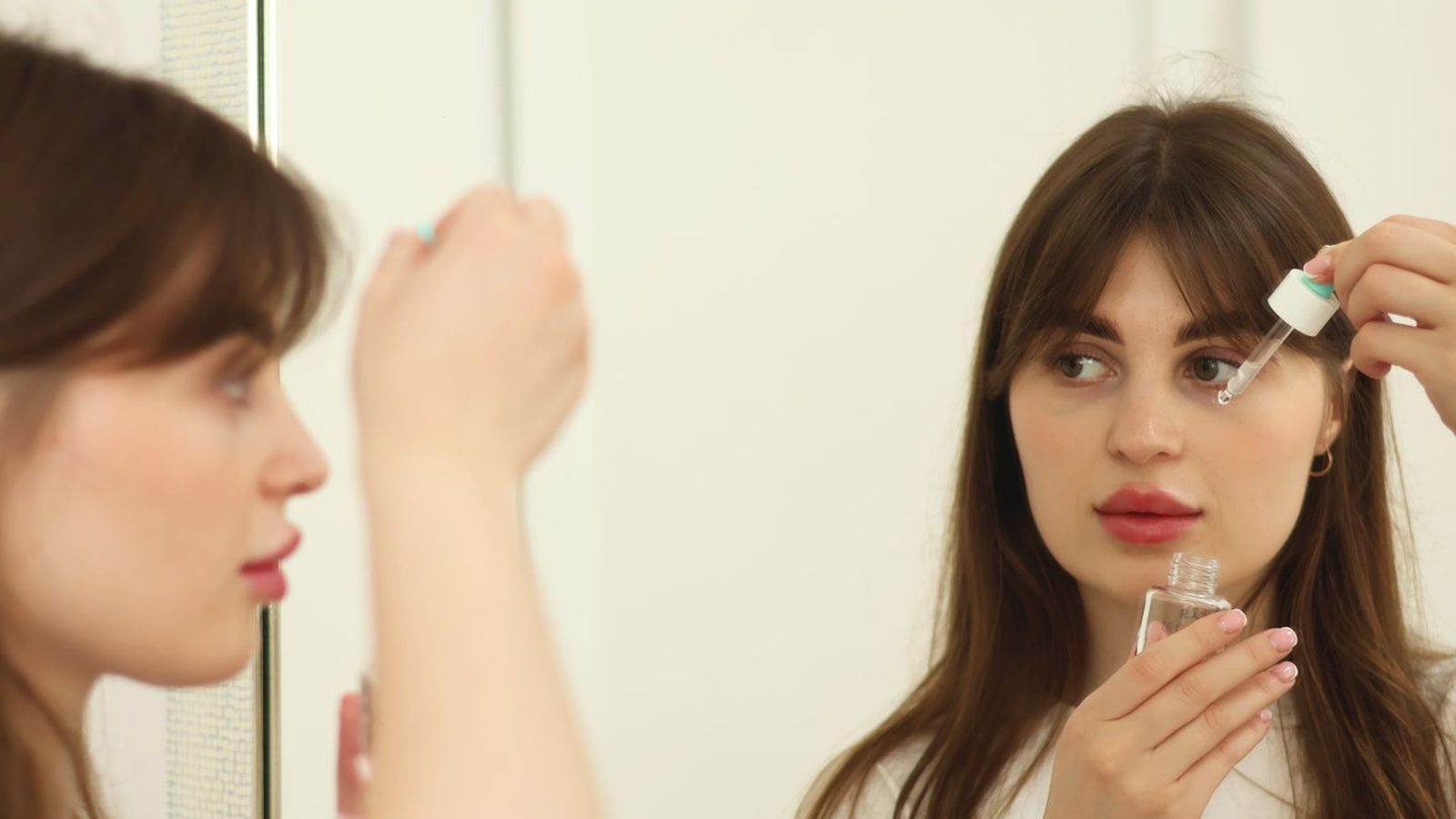
Los retinoides, en cambio, merecen su reputación. Están entre los pocos tópicos con evidencia uniforme de que aumentan el colágeno dérmico, y un régimen indicado por un médico es el punto de partida de la mayoría de mis pacientes. Los sérums con péptidos tienen datos de respaldo modestos. Los tópicos con factores de crecimiento son prometedores, pero varían según la formulación.
Cuándo se justifica el tratamiento en consultorio
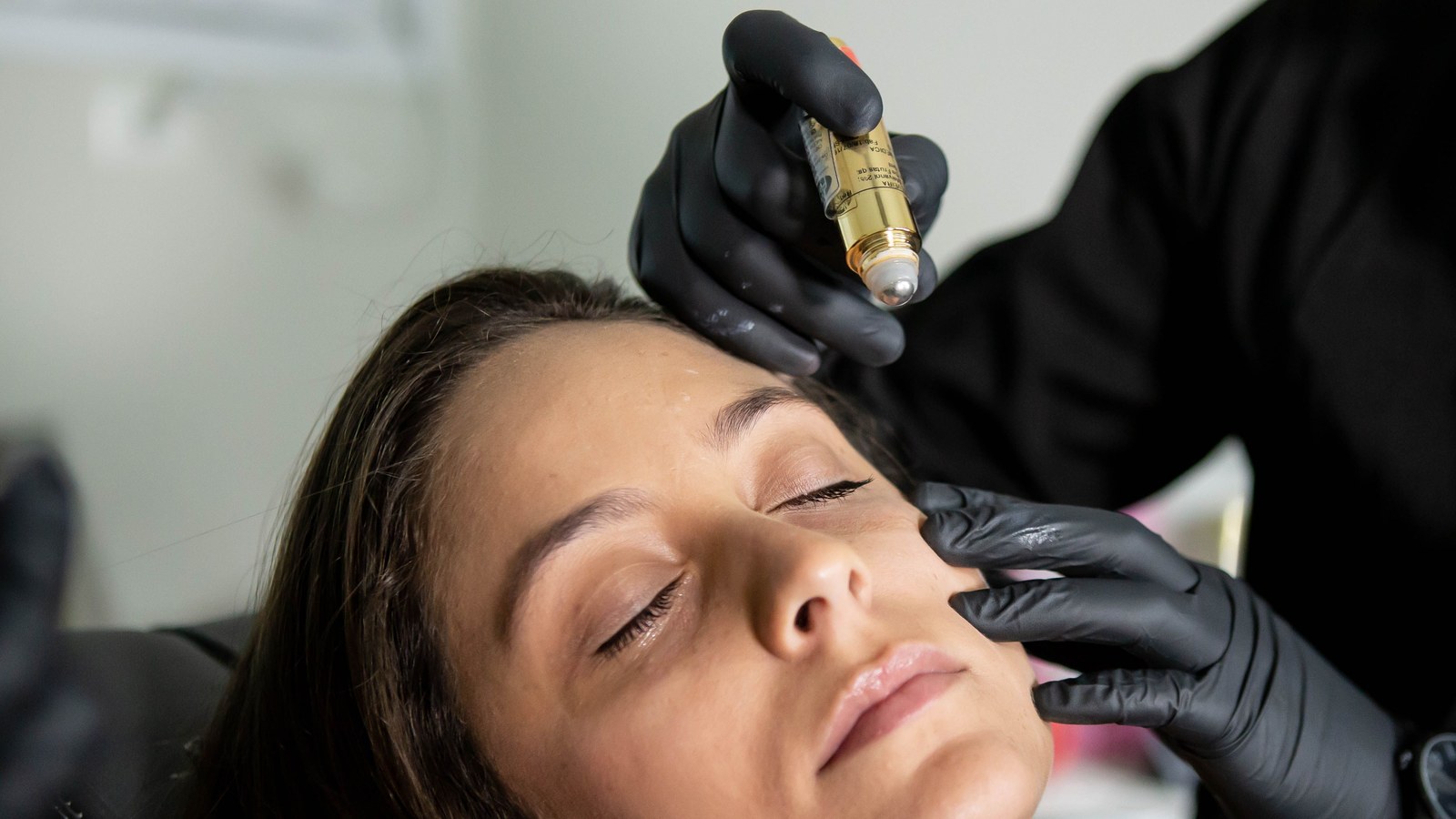
El apoyo natural eleva el techo de lo que su cuerpo puede hacer por sí solo. Pero no crea el estímulo que desencadena una remodelación activa. Eso es precisamente lo que aportan el microneedling, el PRP y los equipos basados en energía: una señal controlada que atrae fibroblastos a una zona concreta e inicia un ciclo de reconstrucción que de otro modo no comenzaría.
Los dos enfoques se complementan en lugar de competir. En nuestro consultorio, los pacientes que han atendido los requisitos internos obtienen resultados visiblemente mejores con la misma serie de tratamientos, y quienes dependen solo de los tratamientos tienden a estancarse. Esa es la lógica de organizarlo todo como un plan único y no como una lista de compras, y así está estructurado el Collagen Rebuild Protocol, nuestro protocolo de reconstrucción del colágeno.
Un punto de partida razonable
Si desea un orden concreto de pasos: lleve su ingesta de proteína a una meta definida, proteja su piel de la radiación ultravioleta sin excepción, priorice el sueño como una intervención clínica y no como un lujo, añada entrenamiento de fuerza y comience un régimen tópico indicado por un médico y adecuado para su piel. Si tiene síntomas que sugieren un factor tiroideo, androgénico o metabólico, hágase evaluar antes de gastar dinero en tratamientos cuyo efecto ese factor podría contrarrestar.
Después, si busca un cambio estructural y no solo mantenimiento, añada el estímulo en consultorio. Ese orden suele dar el mejor rendimiento tanto del dinero como de la paciencia, y es el que recomiendo a los pacientes en Wellington, decidan o no hacerse sus tratamientos con nosotros.
Preguntas Frecuentes
- ¿Se puede reconstruir el colágeno sin ningún tratamiento?
- Se puede frenar de manera significativa la pérdida y apoyar modestamente la síntesis mediante la ingesta de proteína, la vitamina C, el sueño, el entrenamiento de fuerza y una protección solar disciplinada. Lograr un cambio estructural visible en una piel que ya está flácida generalmente requiere un estímulo en consultorio, como el microneedling, el PRP o el láser.
- ¿Funcionan realmente los suplementos de colágeno?
- Varios ensayos aleatorizados muestran mejoras modestas en la elasticidad y la hidratación de la piel con péptidos de colágeno diarios durante ocho a doce semanas. El efecto parece provenir de la señal que los péptidos envían a los fibroblastos y no de un depósito directo en la piel. Es un complemento razonable, no un reemplazo de lo fundamental.
- ¿Cuánto tiempo tarda en notarse la diferencia?
- Los cambios en la alimentación y el estilo de vida se reflejan en la piel en un plazo de tres a seis meses, porque ese es el tiempo que tarda la remodelación del colágeno. Los tratamientos en consultorio siguen la misma biología: la mayoría de los pacientes nota más firmeza a las seis a ocho semanas y un cambio más claro a las doce a dieciséis.
- ¿El estado hormonal realmente afecta al colágeno?
- De manera significativa. Los estrógenos favorecen la actividad de los fibroblastos, la hormona tiroidea marca el ritmo de la reparación, el cortisol suprime la síntesis y la resistencia a la insulina impulsa la glicación de las fibras existentes. Son factores que una evaluación centrada solo en la superficie no puede ver.
Aviso médico: Este artículo es sólo con fines educativos y no sustituye una consulta médica personal. Los resultados individuales varían. Se requiere una consulta para determinar la candidatura para cualquier tratamiento.
Aviso VitellaMD: Los productos VitellaMD son suplementos dietéticos. No están destinados a diagnosticar, tratar, curar ni prevenir ninguna enfermedad. Estas declaraciones no han sido evaluadas por la FDA.
Dr. Anna Frisch, MD, PhD
Board-Certified Endocrinologist | Emory University School of Medicine-trained physician-scientist | Medical Director, Palm Beach Cosmetic Medicine | Founder, VitellaMD, Palm Beach Thyroid & Endocrinology Wellness, and Frisch Integrative Medicine
Dr. Anna Frisch, MD, PhD, is a board-certified endocrinologist, Emory University School of Medicine-trained physician-scientist, Medical Director of Palm Beach Cosmetic Medicine, and founder of VitellaMD, Palm Beach Thyroid & Endocrinology Wellness, and Frisch Integrative Medicine. Her research is cited internationally, and she brings decades of experience in endocrinology, thyroid disorders, hormones, metabolic health, and patient-centered care. At Palm Beach Cosmetic Medicine, Dr. Frisch applies her medical background to aesthetic wellness by looking beyond the surface, connecting skin health, hair health, hormone balance, metabolic wellness, nutrition, collagen support, and advanced cosmetic treatments to help patients look refreshed, confident, and natural.
¿No sabe por dónde empezar?
Obtenga su Skin IQ de cortesía: un análisis de piel con IA dirigido por un médico, con recomendaciones personalizadas en minutos.
Atención estética refinada, dirigida por médicos en Wellington.
Programe una consulta privada para diseñar un plan de tratamiento adaptado a su piel, sus objetivos y a cómo desea verse y sentirse.