¿El Microneedling Realmente Reconstruye el Colágeno? La Evidencia
El microneedling es uno de los pocos tratamientos estéticos con evidencia histológica detrás de la afirmación sobre el colágeno. La evidencia es real, y es más acotada que el marketing.
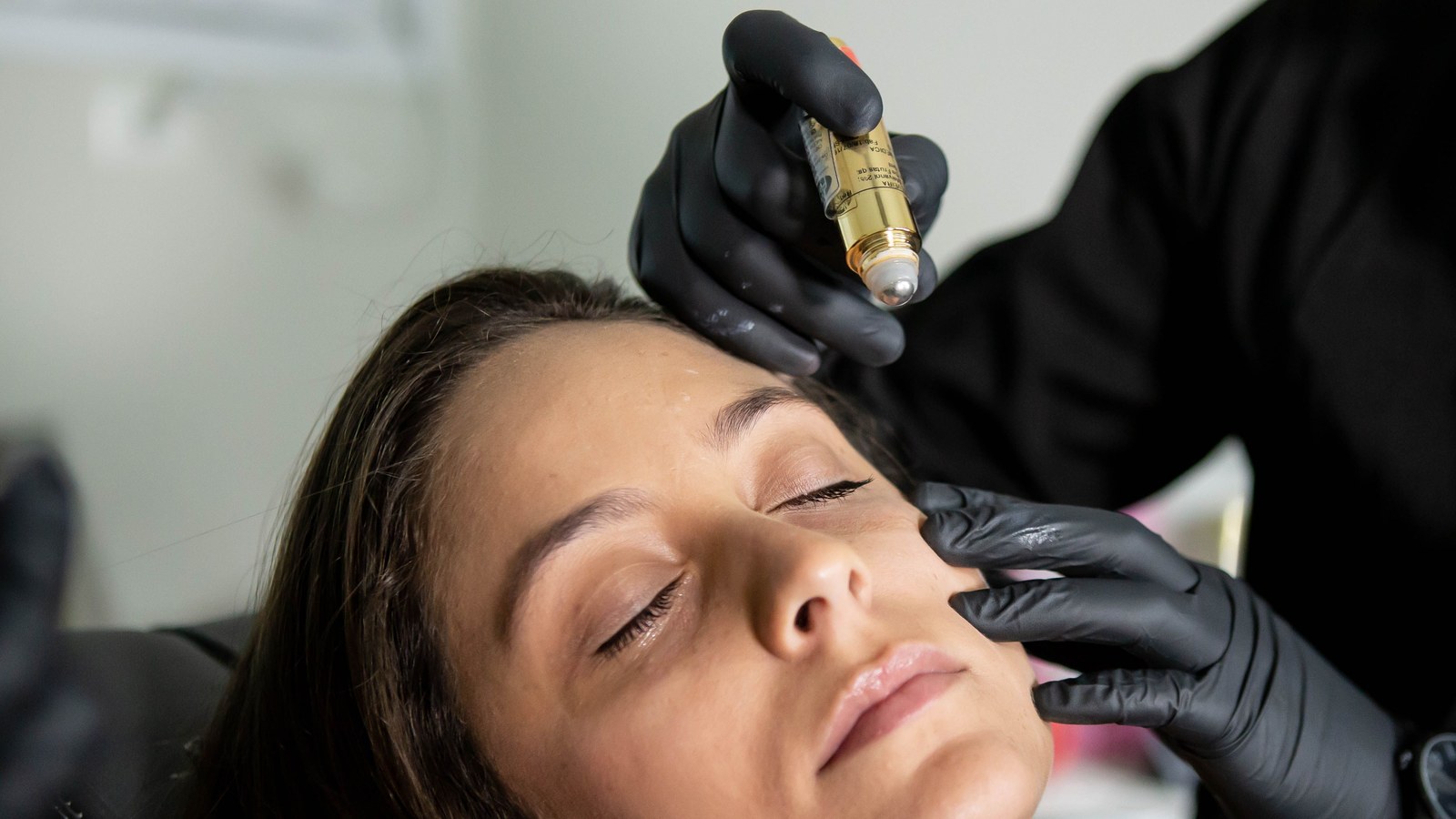
El microneedling se promociona como terapia de inducción de colágeno, lo que invita a una pregunta justa: ¿es la descripción de un mecanismo o la descripción de una esperanza? Es uno de los pocos tratamientos estéticos en los que la respuesta se basa en evidencia obtenida del tejido y no en encuestas de satisfacción, así que vale la pena repasar lo que realmente muestran los estudios.
Vea el facial con PRP Regenerative Glow Protocol™
El microneedling activa la cicatrización natural de la piel sin dejar cicatriz
El microneedling crea miles de microcanales controlados que atraviesan la epidermis hasta la dermis papilar. Cada uno es una lesión pequeña, estéril y con límites precisos. El cuerpo responde con la cascada habitual de cicatrización: desgranulación de las plaquetas y liberación de factores de crecimiento, una fase inflamatoria, luego una fase proliferativa en la que los fibroblastos migran a la zona y depositan nueva matriz extracelular, y por último una fase de remodelación que dura meses, durante la cual esa matriz se reorganiza y se entrecruza.
Lo ingenioso está en lo que el tratamiento no hace. Como los canales son estrechos y el tejido que los rodea queda intacto, la cicatrización avanza sin la cicatriz que produciría una herida más amplia. El resultado es el depósito de colágeno nuevo dentro de una arquitectura intacta, en lugar de la reparación de un defecto.
Las biopsias muestran más colágeno y elastina después de una serie de microneedling
Aquí es donde el microneedling se distingue de los tratamientos respaldados solo por lo que cuentan los pacientes. Varios estudios han tomado biopsias de piel antes y después de una serie de microneedling y las han examinado histológicamente. De forma constante informan un aumento del depósito de colágeno, y varios documentan incrementos sustanciales del contenido de colágeno y elastina en los meses posteriores al tratamiento, junto con un engrosamiento medible de la epidermis y una reorganización de los haces de colágeno dérmico.
Los estudios en cicatrices posteriores al acné, donde el resultado es más fácil de calificar de forma objetiva, informan una mejoría significativa en la mayoría de los participantes tras una serie de tres a seis sesiones. La literatura no es enorme y los estudios suelen ser de tamaño modesto, pero la dirección de la evidencia es constante, algo que no puede decirse de varios tratamientos que se venden con mayor seguridad.
El microneedling no funciona en una sola sesión, en casa ni para la flacidez importante
La evidencia no respalda la idea de que una sola sesión produzca un cambio estructural duradero. Todo protocolo serio utiliza una serie, normalmente de tres a seis sesiones espaciadas de cuatro a seis semanas, porque cada tratamiento aporta un incremento de remodelación.
Tampoco respalda que los rodillos dérmicos caseros (derma rollers) sean un equivalente. La profundidad de la aguja, la esterilidad y el control son las variables que separan la inducción de colágeno de una simple irritación superficial, y los dispositivos caseros que llegan a la dermis papilar en manos sin entrenamiento representan un riesgo real de infección y cicatrices, no una ganga.
Tampoco respalda el microneedling como tratamiento para una flacidez importante. La inducción de colágeno mejora el aspecto de la textura, las líneas finas, los poros, las cicatrices y la calidad general de la dermis. No levanta el tejido que ha descendido. Cuando la principal preocupación de la persona es la flacidez y no la calidad de la piel, decirlo con claridad en la consulta evita a todos una serie decepcionante.
Añadir PRP al microneedling ofrece un beneficio adicional moderado
El PRP se prepara a partir de la propia sangre de cada paciente y concentra las plaquetas que transportan factores de crecimiento fundamentales para la cicatrización. Aplicado en los microcanales inmediatamente después del microneedling, lleva esas señales directamente a la ventana en la que se están reclutando los fibroblastos.
La evidencia sobre la combinación es alentadora sin ser abrumadora: varias comparaciones controladas en cicatrices posteriores al acné informan mejores resultados con microneedling y PRP que con microneedling solo. Es una adición razonable para quienes desean aprovechar al máximo una serie, y lo honesto es describir el beneficio adicional como modesto y no como transformador.
Qué resultados puede esperar de forma realista
Inmediatamente después de una sesión, la piel se ve rosada y se siente tirante, de forma parecida a una quemadura solar moderada, por lo general durante veinticuatro a setenta y dos horas. Con frecuencia aparece un brillo pasajero al final de la primera semana que se debe a la hidratación y la inflamación, no al colágeno, y que luego se desvanece.
El cambio real llega al ritmo de la biología. La textura y el tono empiezan a cambiar alrededor de las semanas seis a ocho. La diferencia más clara de una serie suele apreciarse entre doce y dieciséis semanas después de la última sesión, y la remodelación continúa discretamente más allá de ese punto. Quien evalúa los resultados a las dos semanas está mirando el momento equivocado del proceso.
Las fotografías que comparte nuestro consultorio no están retocadas y representan resultados individuales. La respuesta varía según la edad, el estado de la piel y, sobre todo, los factores internos que rigen la cicatrización. Una persona cuya función tiroidea o ingesta de proteínas limita la reparación obtendrá menos de una serie idéntica, y esa es una razón importante por la que evaluamos esos factores antes de recomendarla.
Cómo lo usamos en nuestro consultorio
El microneedling es el componente mecánico de un plan más amplio, no un servicio aislado. Se combina con PRP para aportar factores de crecimiento, se realiza después de reparar la barrera cutánea cuando la piel lo necesita primero, precede al láser facial en lugar de competir con él y se mantiene entre sesiones con un cuidado tópico indicado por un médico.
Esa secuencia es, en concreto, lo que hace el Collagen Rebuild Protocol, y es la razón por la que describimos el plan como una sola cosa y no como un menú. La evidencia a favor del microneedling es buena. Y es aún mejor cuando el tratamiento ocupa el lugar correcto dentro de un plan diseñado para la persona que tenemos delante.
Preguntas Frecuentes
- ¿El microneedling realmente produce colágeno nuevo?
- Sí. Los estudios con biopsias antes y después de una serie de microneedling muestran de forma constante un mayor depósito de colágeno y elastina y una reorganización del colágeno dérmico. Es uno de los tratamientos estimulantes del colágeno con mejor evidencia en medicina estética.
- ¿Cuántas sesiones se necesitan?
- La mayoría de los protocolos utiliza de tres a seis sesiones espaciadas de cuatro a seis semanas. Una sola sesión produce un brillo temporal, no un cambio estructural duradero.
- ¿El microneedling en casa es equivalente?
- No. La profundidad de la aguja, la esterilidad y el control determinan si el tratamiento induce colágeno o simplemente irrita la superficie, y los dispositivos caseros que alcanzan la dermis conllevan un riesgo real de infección y cicatrices.
- ¿El microneedling tensa la piel flácida?
- Mejora el aspecto de la textura, las líneas finas, las cicatrices y la calidad de la dermis. No levanta el tejido que ha descendido. Cuando la flacidez es la preocupación principal, lo decimos y conversamos sobre las opciones adecuadas.
Dr. Anna Frisch, MD, PhD
Board-Certified Endocrinologist | Emory University School of Medicine-trained physician-scientist | Medical Director, Palm Beach Cosmetic Medicine | Founder, VitellaMD, Palm Beach Thyroid & Endocrinology Wellness, and Frisch Integrative Medicine
Dr. Anna Frisch, MD, PhD, is a board-certified endocrinologist, Emory University School of Medicine-trained physician-scientist, Medical Director of Palm Beach Cosmetic Medicine, and founder of VitellaMD, Palm Beach Thyroid & Endocrinology Wellness, and Frisch Integrative Medicine. Her research is cited internationally, and she brings decades of experience in endocrinology, thyroid disorders, hormones, metabolic health, and patient-centered care. At Palm Beach Cosmetic Medicine, Dr. Frisch applies her medical background to aesthetic wellness by looking beyond the surface, connecting skin health, hair health, hormone balance, metabolic wellness, nutrition, collagen support, and advanced cosmetic treatments to help patients look refreshed, confident, and natural.
¿No sabe por dónde empezar?
Obtenga su Skin IQ de cortesía: un análisis de piel con IA dirigido por un médico, con recomendaciones personalizadas en minutos.

Atención estética refinada, dirigida por médicos en Wellington.
Programe una consulta privada para diseñar un plan de tratamiento adaptado a su piel, sus objetivos y a cómo desea verse y sentirse.